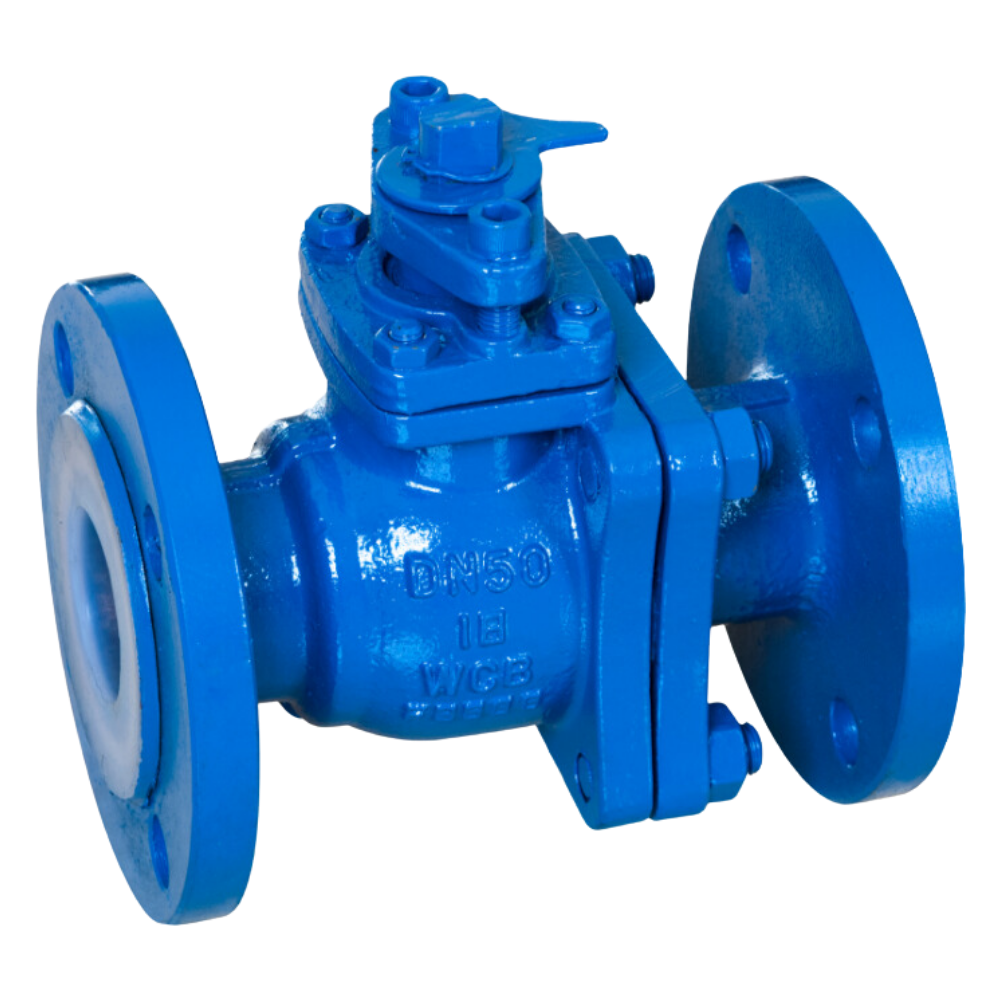
Ball Valves are imperative for fluid control in industrial operations. And these valves are usually constructed using stainless-steel. Each industry, however, has varying valve requirements and according to its use the grade of stainless-steel ball valve needs to be checked. Valves are often made from varying stainless steel grades. The durability and performance vary amongst different grades of stainless-steel
.— Such as 304,316 and Duplex stainless steel grades. But how do you select the right one for your ball valves? Continue on to find out more:
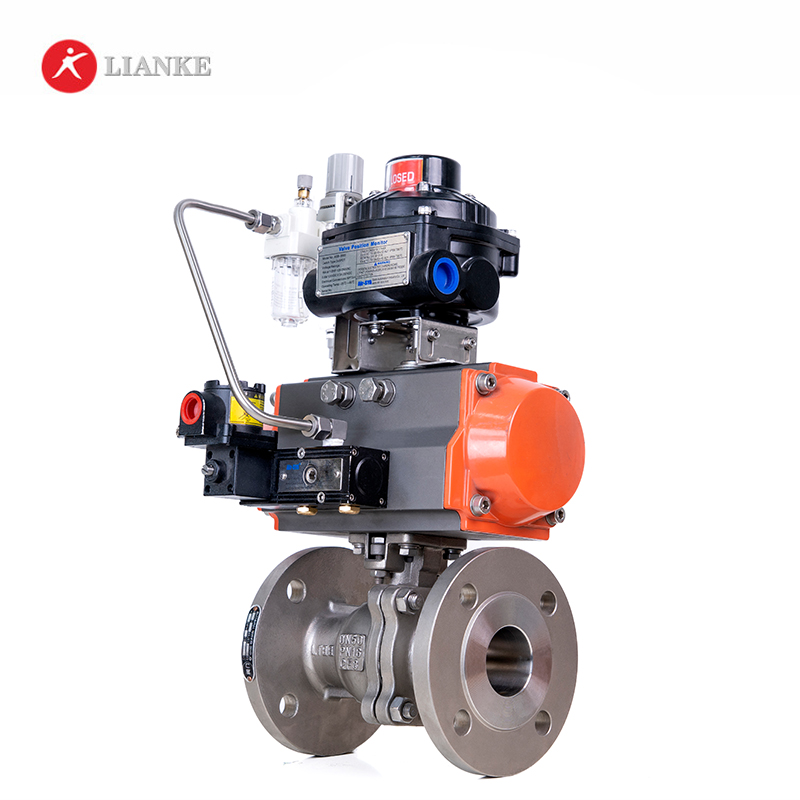
304 stainless-steel is a more common grade used for ball valve operations. stainless-steel is a mixture of elements. This mixture is what gives it its durability. The structural makeup for 304 stainless-steel is:
The 316 grade is not that differentiable from the 304 one. 316 stainless-steel is also termed marine grade stainless-steel. These two grades are only differentiable because of their composition. A 2% of molybdenum is what differentiates 316 from 304. And this adds corrosion resistance and suitability for high temperature applications.
Duplex stainless-steel grade has a structural makeup of austenitic (316 & 304) and ferritic stainless-steels. And so this grade is known to show a greater toughness and strength. You will also see this grade offer greater corrosion resistance and weldability compared to other grades.
| 304 Stainless-Steel Grade | 316 Stainless-Steel Grade | Duplex Stainless-Steel Grade |
| High corrosion resistance | Offers more corrosion resistance than 304 | Highest Corrosion Resistance |
| Cheapest option | More expensive than 304 | Most Expensive |
| Offers good strength | Stronger than 304 stainless-steel | Strongest Option |
| No magnetism properties | No magnetism properties | Is Magnetic |
The nature of fluids in your operation changes the optimal stainless-steel grade. 304 and 316 types have strong corrosion resistance. But it is known to be greater in the 316 type. The Duplex stainless-steel grades have a higher corrosion resistance.
Greater corrosion resistance also means paying more money. Both 304 and 316 grades are also termed food grade stainless-steel. But the 316 is found more often, especially in marine applications. And that’s because of the 2.0% molybdenum which is resistant to chloride ions.
The optimal steel grade changes depending on your temperature requirements. 304 stainless-steel and 316 stainless-steel have highest temperature limits. Duplex stainless-steel is more apt to lower temperature operations. The temperature limits are:
Ball valves can only be used for industrial operations if they are compliant with industry standards. Ball valves should comply with ASME, CE, ISO or API standards. For stainless-steel grade, it must be compliant with ASTM or NACE standards.
The 304 stainless-steel grade is used in:
The 316 stainless-steel grade is found in:
The Duplex stainless-steel grade is found in:
The apt kind of stainless-steel grade depends on operational needs. The preferable options change depending on temperature and fluid nature. You should also make sure the grade is compliant with industry standards.
The 316 grade is an enhanced version of 304 steel grade. It’s more expensive but it offers greater strength and corrosion resistance. On the other hand, duplex stainless-steel offers magnetic properties and even better strength and resistance. But they are also the most expensive.
Resources:
Stainless Steel Grades | How to Choose Stainless Steel (industrialmetalsupply.com)
A Comprehensive Introduction to Stainless Steel Ball Valves – Union (unionfitting.com)
A Comprehensive Guide to Choosing the SS Ball Valve for Your Project (stainlesssteel-ballvalve.com)
Stainless Steel Composition What Is It? – thyssenkrupp Materials (UK) (thyssenkrupp-materials.co.uk)
specialpipingmaterials.com/stainless-steel-in-marine-applications/
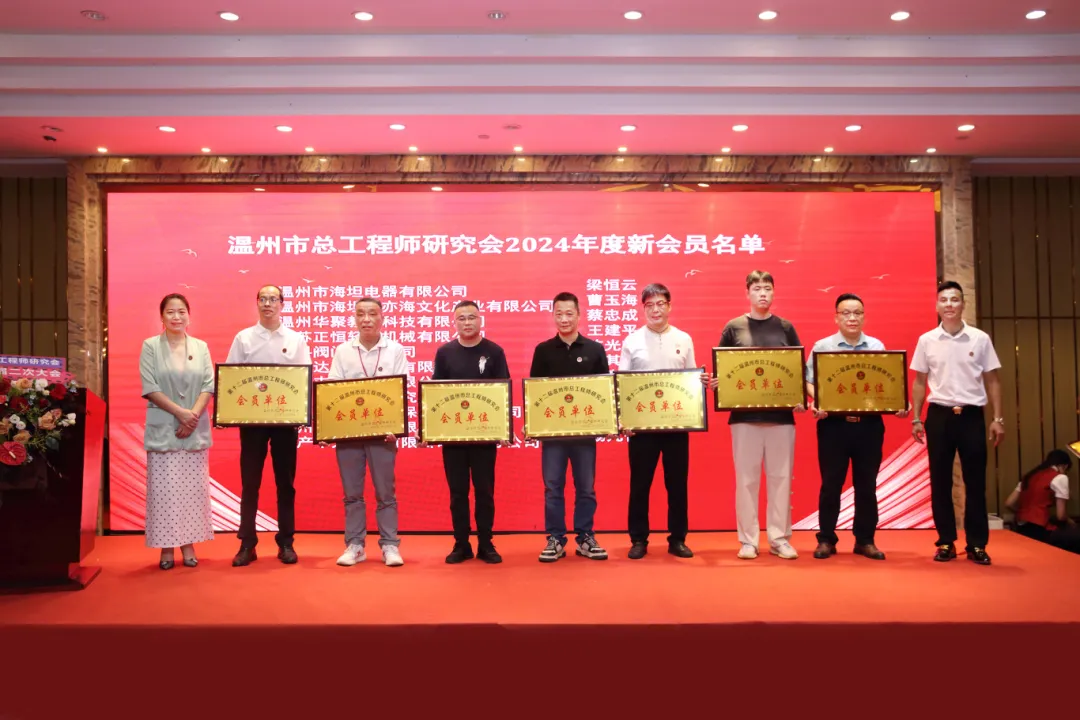
Recently, the 2nd Session of the 12th Member Congress of Wenzhou Chief Engineer Research Association was successfully held. At the meeting, Linko Valve Co., Ltd. officially joined the association as a member unit. This marks a major step forward for the enterprise in technological research & development and industry-university-research cooperation. Going forward, Linko Valve will […]
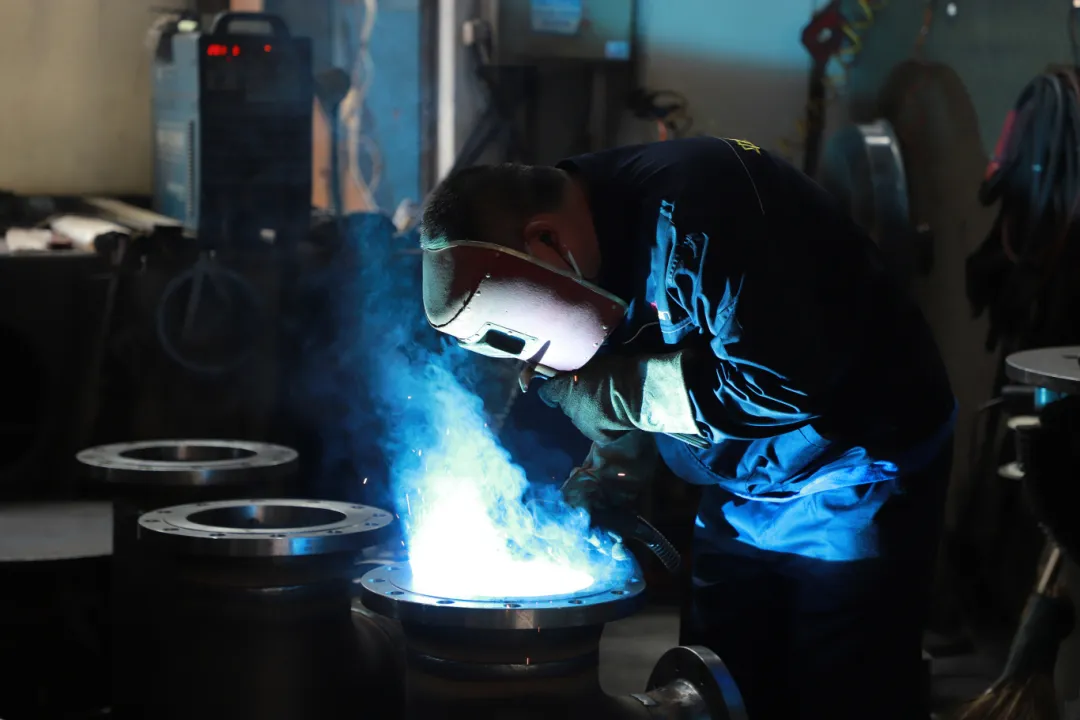
In the professional production workshop of LIANKE Valve, a professional team of senior craftsmen devotes themselves to high-precision valve welding manufacturing. With skilled operation of welding torches and precise flame control, our experienced welders create firm, flawless weld seams for every valve body, building a solid and durable structural barrier for industrial valve products. Every […]
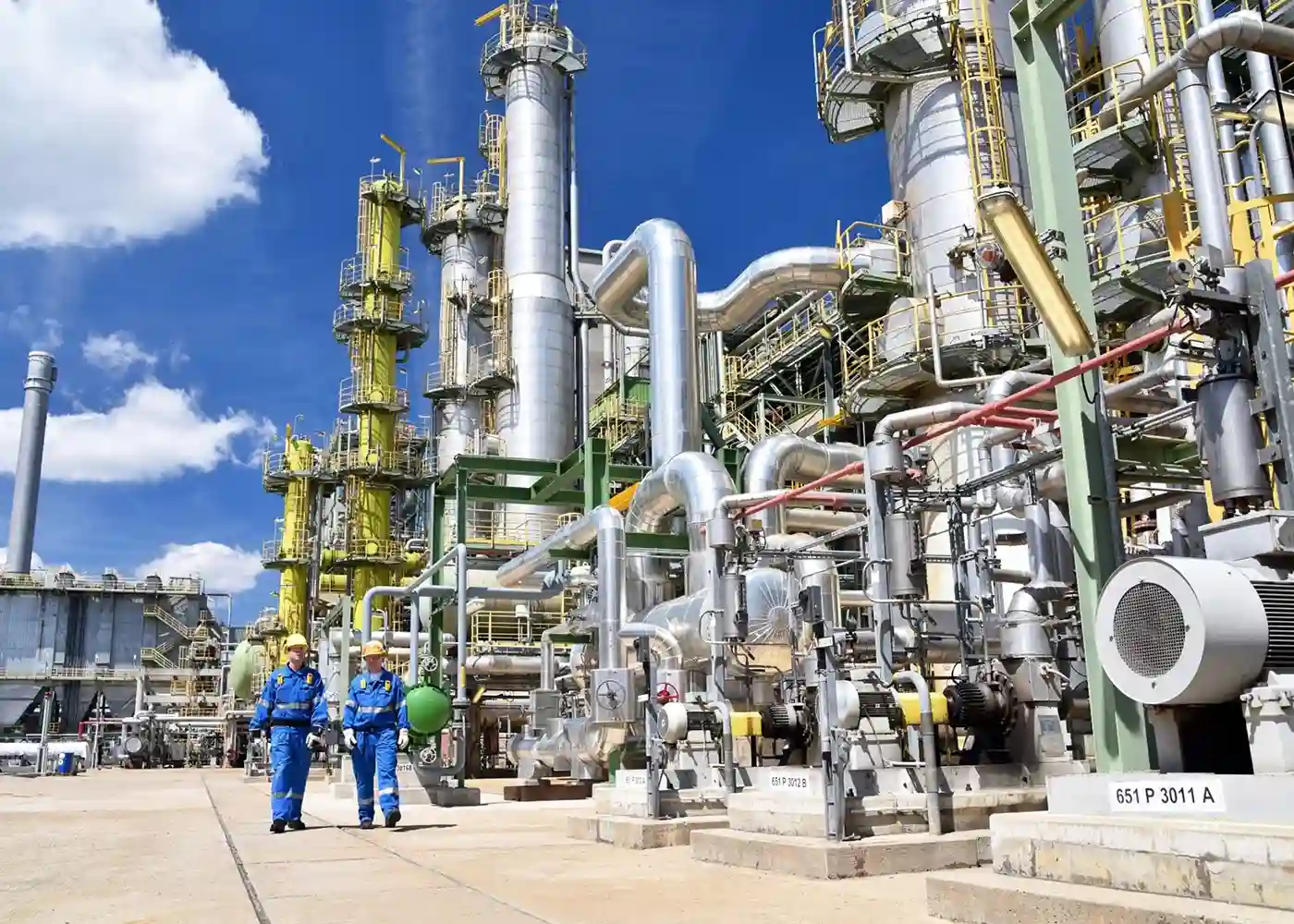
Valves are everywhere in industrial processes—controlling flow, isolating equipment, and protecting systems from overpressure. Yet for many engineers and technicians, the range of options can feel overwhelming. This guide covers the fundamentals of industrial valves, with a closer look at three widely used types: the lined valve, the pinch valve, and the stainless steel ball […]
Valve installation looks simple on paper—until you’re on-site, the flanges don’t line up, and the process fluid is waiting. In reality, poor installation is one of the leading causes of premature valve failure, leakage, and costly downtime. Whether you’re working with a lined valve, a strainer, or a pinch valve, the same fundamental rules apply. […]